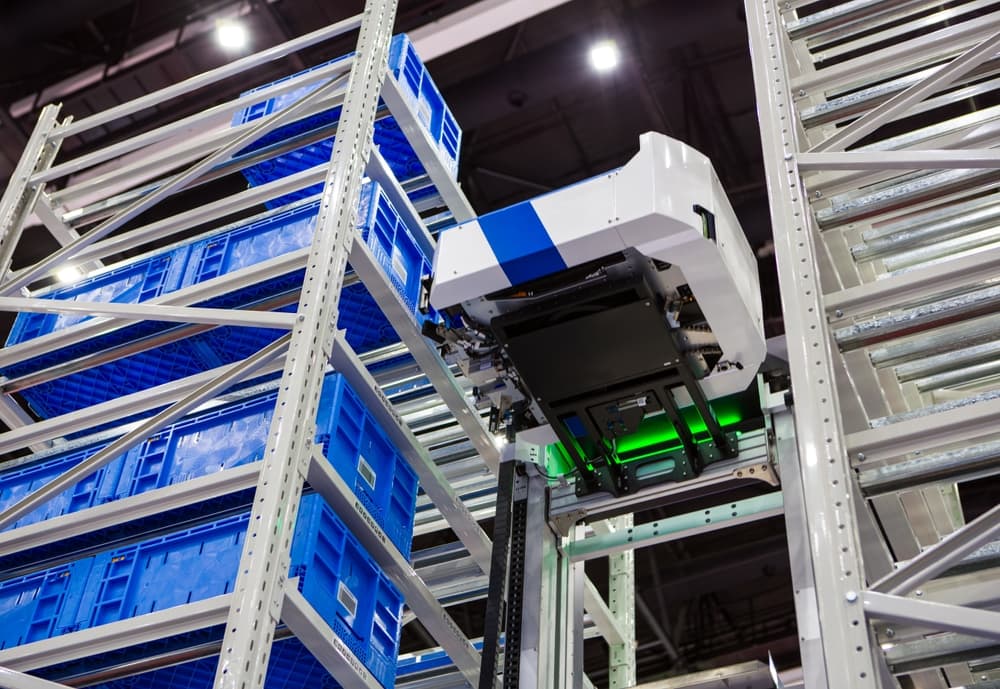
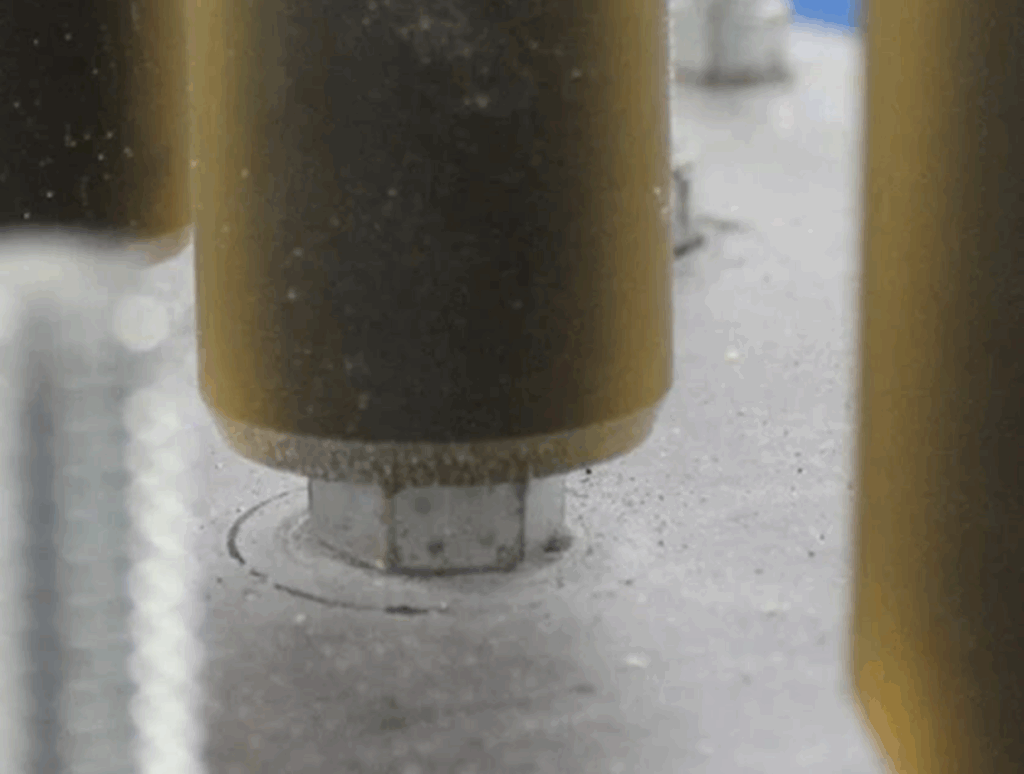
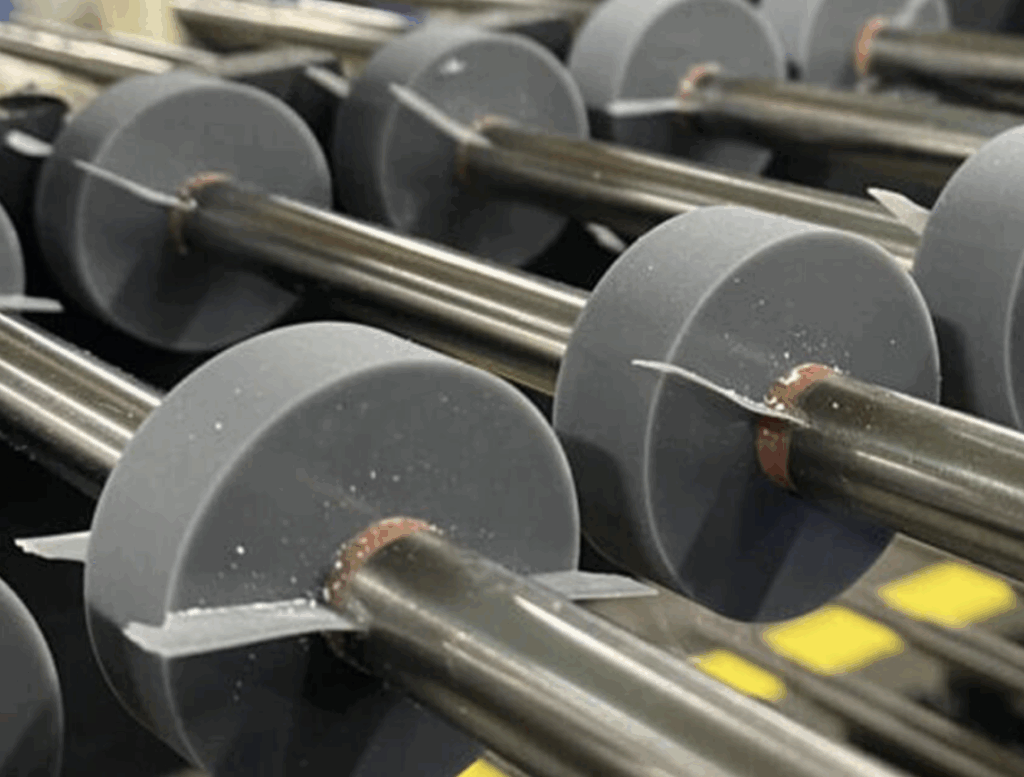
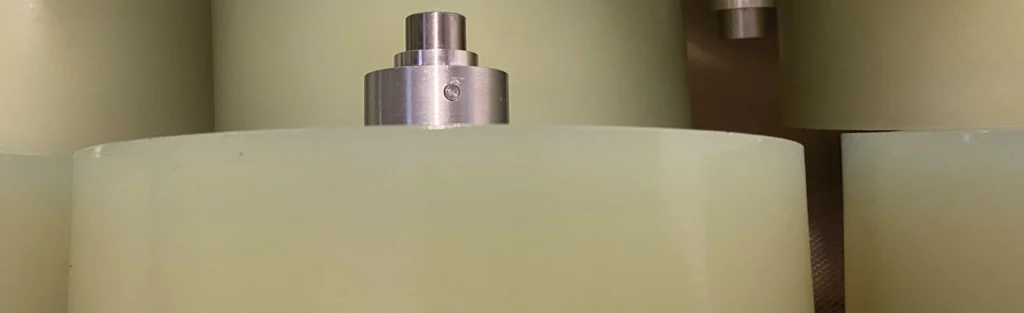
MPC’s Durethane® technologies have become essential for robotics applications, thanks to their exceptional durability and unmatched versatility. These advanced thermoset materials enable engineers to design custom polyurethane components for robotics tailored to their unique project needs. Whether you’re prototyping or scaling up for full production, Durethane® delivers the flexibility to bring your vision to life, without compromising on performance or functionality.
MPC has been a trusted partner in the robotics industry, manufacturing custom polyurethane parts to meet demanding design specifications.
MPC has been a trusted partner in the robotics industry, manufacturing custom polyurethane parts to meet demanding design specifications.
Complete this form to access & download our technical documentation.
The Benefits of Polyurethane Components for Robotics
Designers increasingly rely on polyurethane robotics automation components to solve challenges tied to motion control and system longevity. These materials outperform conventional plastics and rubbers by offering a dependable balance of flexibility and resistance to wear, which is critical in robotic systems where exact performance matters. Polyurethanes offer advantages like:
Customizable Physical Properties for Demanding Environments
We engineer our polyurethanes to meet specific mechanical and thermal resistance requirements, ideal for robotics operating under extreme loads and temperatures. Durethane® also offers great chemical resistance, so it’s suitable where there’s exposure to oils and solvents.
Can Be Molded Into Precise Shapes to Fit Complex Robotic Designs
Tight tolerances and unique geometries are achievable during manufacturing, allowing seamless integration into intricate robotic assemblies.
Adaptability Across Applications
Custom AMR components benefit from polyurethane’s ability to adapt to different thermal resistance and mechanical specifications. The material also plays a crucial role in AMR machined parts and custom AGV components.
Extended Lifespan and Reduced Maintenance
Custom polyurethane parts for robots maintain integrity over long cycles, reducing part replacement frequency and minimizing downtime.
Available in Solid, Foam, and Conductive Options
Material versatility supports various robotic applications, from soft-touch grippers to static-sensitive environments, without compromising performance.
Enhanced Durability
Ideal for numerous applications, polyurethanes reduce wear and limit vibration-related failures. They also improve friction, abrasion resistance, and noise reduction.
Applications for Polyurethane Components in Robotics
Polyurethane’s adaptability makes it a dependable material for high-performance robotic systems. Engineers and OEMs use it to meet tight design specifications while ensuring mechanical reliability across numerous functions. From traction to shock absorption, polyurethane rollers for AMRs and other robotics support critical movement and protection.
Common applications include:
Belts – Polyurethane belts deliver high tensile strength and abrasion resistance, supporting repeatable motion and drive functions in automated systems.
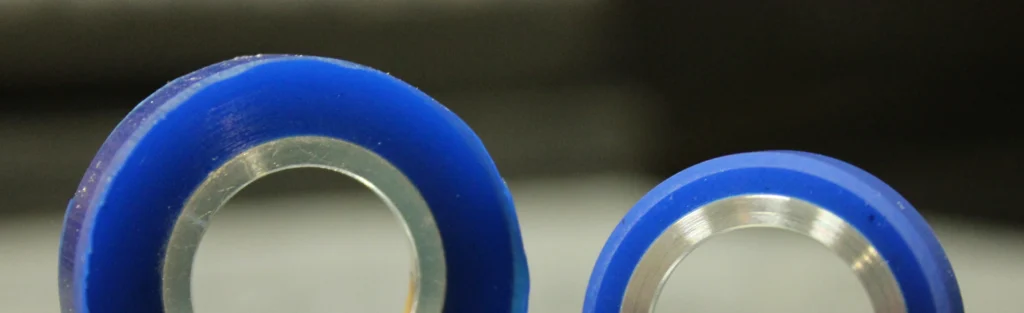
Tires and Wheels – These components provide grip and control, especially on AMRs and guided vehicles navigating variable surfaces.
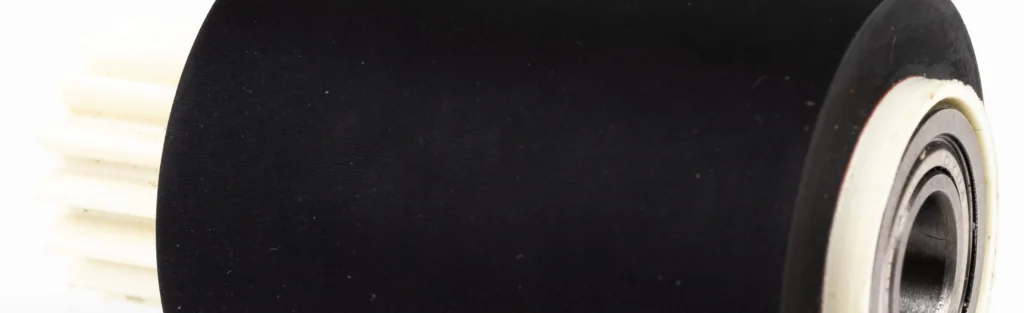
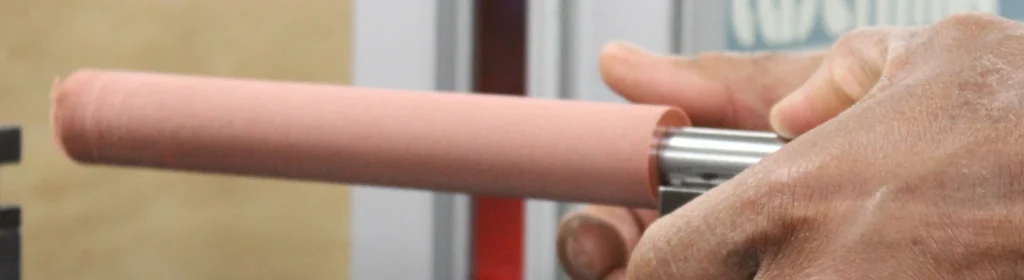
Rollers – Used for smooth, quiet movement, polyurethane rollers help maintain alignment and reduce vibration in conveyors and articulated joints.
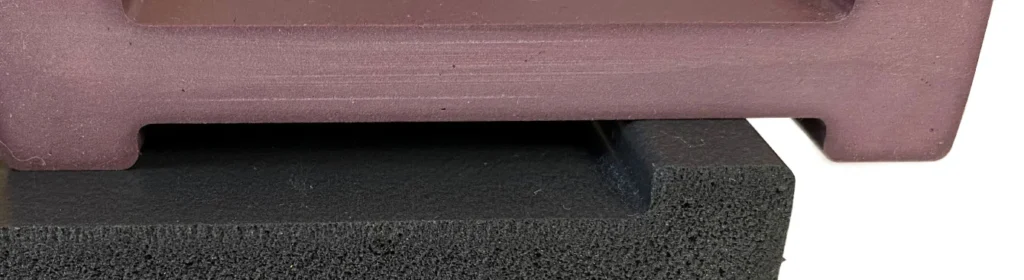
Bumpers and Impact Pads – Shock-absorbing bumpers guard sensitive components during motion or collision, protecting assemblies from costly damage.
Custom Profiles and Shapes – Polyurethane can be cast into complex geometries to create specialized robotic arms, clamps, and support structures.
Each application benefits from polyurethane’s ability to combine strength and flexibility. These properties help robotics engineers meet demanding mechanical and environmental requirements without compromising on precision or durability.
Why Polyurethane Over Other Materials?
Robotic systems push components to their limits. That’s why engineers often turn to polyurethane for material handling robotics instead of rubber, plastic, or metal. Polyurethane handles wear and impact with a level of consistency other materials struggle to match.
Rubber breaks down faster under pressure or chemical exposure. Plastic tends to crack or deform when shock or repeated flexing is involved. Metal brings strength but adds weight, noise, and machining costs, not ideal for tight spaces or fast-moving assemblies.
Polyurethane strikes the right balance. It holds its shape and absorbs impact, all while allowing for tight tolerances and a range of durometers. It’s a practical choice for parts that move, grip, carry, or protect. When robotics projects demand performance and repeatability, polyurethane delivers.
Cast Polyurethane Rollers vs. Injection Molded Rollers
In robotics and automation, roller performance directly affects precision, reliability, and longevity. Engineers evaluating roller materials must weigh mechanical strength as well as design adaptability and bonding methods. Cast polyurethane consistently outperforms injection molded alternatives across these metrics, especially in demanding or custom applications.
Cast Urethane Roller Advantages
Cast polyurethane rollers deliver long-term performance in environments that demand resilience, precision, and customization. Their versatility makes them a reliable solution for standard and highly specialized robotic systems. These rollers offer:
Longer Wear Life: Exceptional abrasion and tear resistance supports high-friction, high-load conditions with minimal degradation over time.
Customizable Properties: Available across a wide durometer range and tunable for rebound, compression set, and chemical resistance.
Precision and Finish: After casting, parts can be machined and ground to extremely tight tolerances with smooth, consistent surface finishes.
Strong Bonding: Urethanes chemically bond to metal, plastic, and composite cores without relying on mechanical fasteners.
Design Flexibility: Lower tooling costs and adaptable manufacturing enable complex shapes, varied wall thicknesses, and fully assembled components.
Durability in Harsh Environments: Withstands impact, vibration, and thermal cycling without compromising part integrity.
Injection Molded Roller Limitations
Injection molded rollers often fall short in applications where durability, dimensional accuracy, or custom design features are critical. These limitations can lead to increased maintenance needs, shorter lifespans, and higher costs in low-volume or evolving designs:
Reduced Wear Life: More prone to abrasion and surface breakdown, particularly under repeated stress.
Limited Material Flexibility: Narrow durometer range and less adaptability in mechanical properties.
Dimensional Variability: Shrinkage and warping during cooling can introduce alignment and tolerance issues.
Weaker Bonding: Often requires mechanical retention instead of forming strong chemical bonds.
High Tooling Costs: Design changes or short production runs become cost-prohibitive due to the expense of retooling.
Cast polyurethane rollers provide superior durability, dimensional precision, bonding strength, and design flexibility, making them the preferred choice for critical movement and material handling in robotic systems.
Support and Manufacturing Capabilities
MPC works closely with engineers to produce custom polyurethane parts for robots that meet exact functional and dimensional requirements. From early design input to full-scale production, our team brings decades of experience solving material and application challenges across the robotics industry.
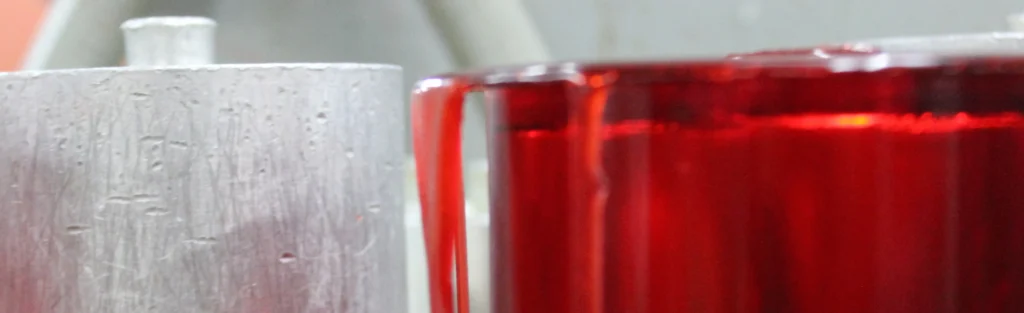
We cast polyurethane in complex shapes and tight tolerances using advanced open-cast molding processes. In-house tooling allows for fast turnaround on prototypes and new product iterations. At the same time, our ability to scale from short runs to high-volume production keeps supply aligned with your program timeline.
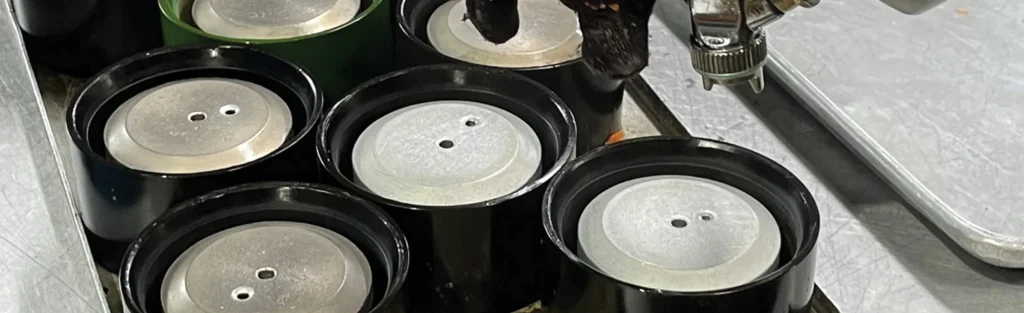
We handle machining, bonding, and secondary operations under one roof to maintain quality and control. We also custom-formulate and process polyurethanes to meet the needs of numerous environments.
Industries That Depend on Polyurethane
MPC supplies polyurethane components for robotics used in demanding applications across various industries. We engineer our custom products to meet strict performance standards, whether the focus is speed, precision, or durability. Applications that benefit from polyurethane include:
Warehouse and Logistics Automation — From AMRs to conveyor systems, polyurethane wheels and rollers support smooth, low-noise operation across long shifts and high loads.
Medical and Laboratory Robotics — Components made from clean, chemically resistant materials help reduce contamination risk and deliver consistent motion in diagnostic and handling equipment.
Defense and Tactical Robotics — Polyurethane parts withstand harsh conditions and vibration, ideal for unmanned ground vehicles and field-deployed systems.
Other uses include:
Agricultural Robotics — Bumpers, rollers, and wear parts resist dirt and chemical exposure, supporting autonomous and semi-autonomous systems in rough environments.
Packaging and Manufacturing Automation — Rollers and drive belts built with tight tolerances ensure speed and longevity in high-output systems.
Every application has different operating demands. Our team works directly with system designers and integrators to deliver custom polyurethane parts for robots that match the environmental and mechanical requirements of any industry.
Discover Polyurethane Components for Robotics
Click the button below to bring your custom design to life with our advanced polyurethane technologies. We tailor polyurethane components for robotics to meet your needs.
Choosing the right robotics automation components requires understanding how material properties align with system demands. Here are some of the most common questions we hear from engineers and integrators.
How long do polyurethane components typically last in robotic systems?
Lifespan depends on the part’s function, environment, and load, but polyurethane often outperforms rubber and plastic in high-cycle applications. Its resistance to wear and chemicals helps extend service intervals.
Can MPC match custom durometers or physical properties?
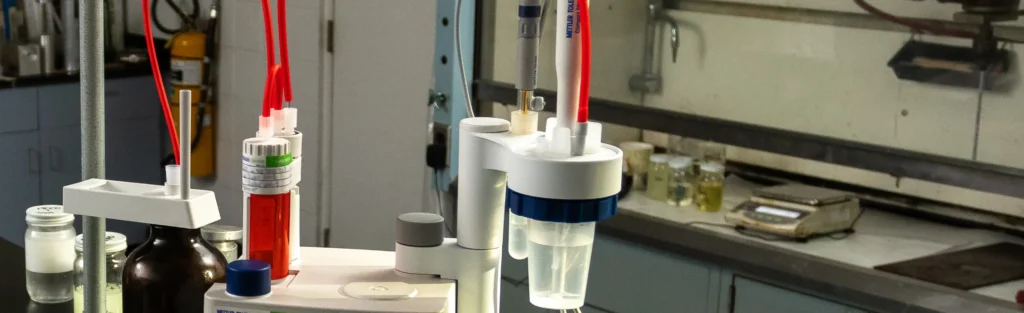
Yes. We develop proprietary formulations for custom polyurethane parts to meet specific hardness, flexibility, and environmental resistance requirements.
Are polyurethane parts suitable for ESD-sensitive environments?
We offer conductive and static-dissipative polyurethane materials for robotics in electronics assembly and other static-sensitive areas.
Can you mold complex or asymmetric part geometries?
Yes. Our open-cast molding processes support intricate designs and variable wall thicknesses without sacrificing dimensional control.
MPC Knowledge Center
Robotics Industry Polyurethane Solutions
When it comes to the robotics industry, polyurethane solutions deliver critical advantages. Explore the versatility of thermoset polyurethane in robotics to boost performance and durability: